7 Leadership Lessons I learned from Aliens
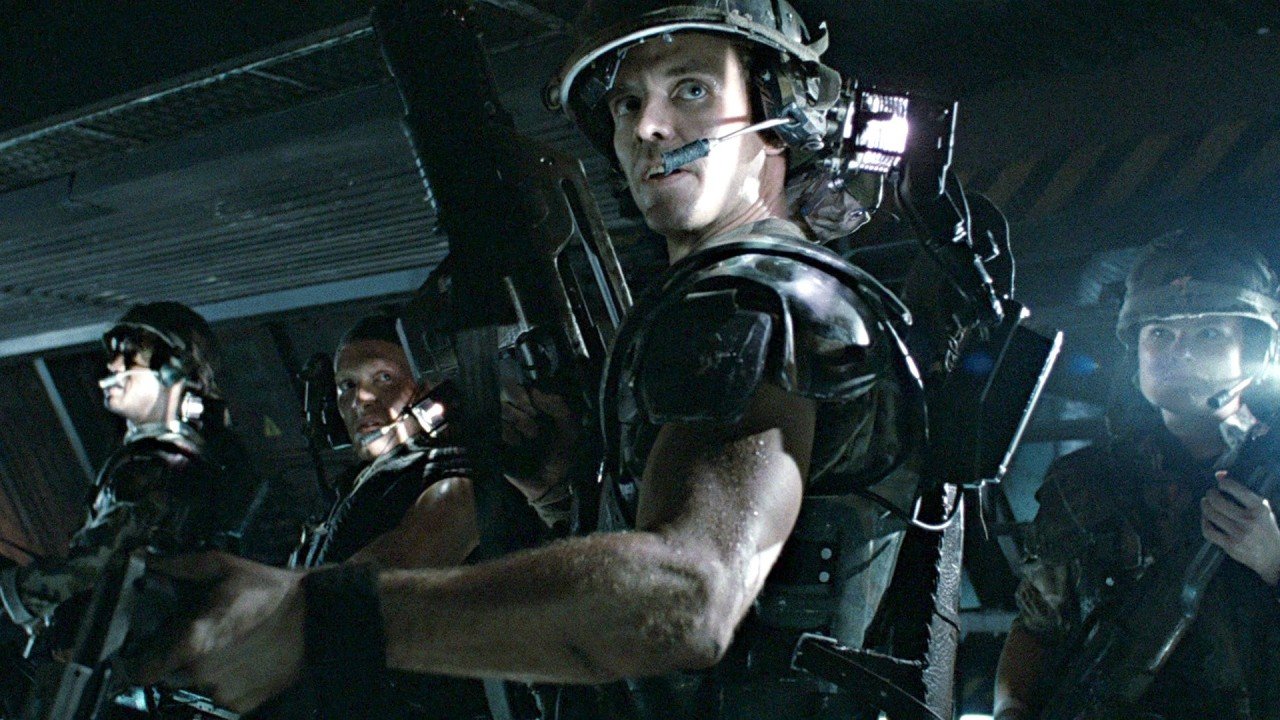
This might be an unpopular opinion, but James Cameron’s Aliens is my favorite film of the franchise. I watched it when I was a teen, and I was enamored by this team of Colonial Marines going fearlessly into battle with Pulse Rifles and Steadicam Machineguns.
Years later, I’ve come to realize that this film has inspired me in more ways than just screenwriting techniques and dropping cool-sounding quotes like "Now all we need is a deck of cards." There is a wealth of leadership lessons in this movie that has been subconsciously embedded in my heart, which I’ve been applying to my professional career.
Let’s take a look at them in the order that they appear in the movie.
1. Be one with the team
In an early scene, the marines are having a meal, and the ranking officer Lt. Gorman is eating at a separate table from his platoon. Instead, he's eating with the company suit and the consultant, to which Cpl. Hicks remarks: "Looks like the new lieutenant is too good to eat with us grunts."
This is one of the first impressions Lt. Gorman gets to make on his platoon, and he’s chosen to draw a line between them. Throughout the rest of the film, you’ll see the marines make snide remarks about Gorman and pounce on his every mistake.
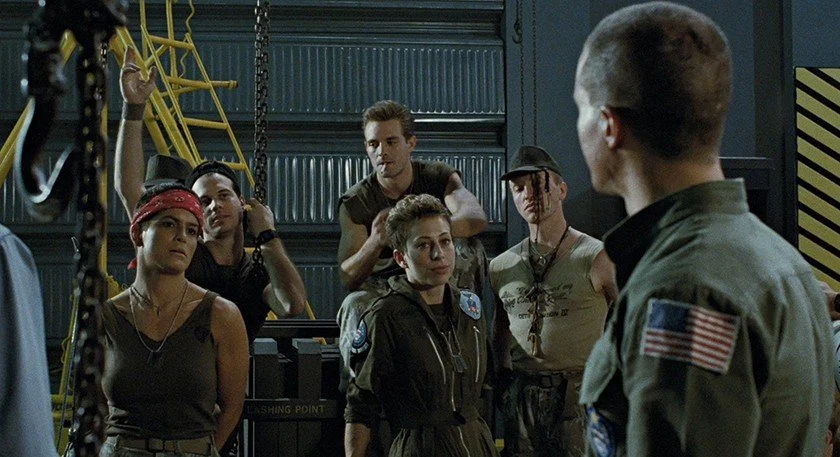
And can you blame them? Compare this leadership style to Sgt. Apone, who eats with the team and goes into battle with them (Lt. Gorman leads from the rear by sitting in a secure Armored Personnel Carrier armed with a radio). Apone has the respect of the platoon, and when shit hits the fan who do they call out for? "Where’s Apone? Where’s the sarge?"
So eat with your team. Work alongside them. Don't close yourself off in a corner office and jump in only during high level briefings.
2. Establish the North Star
There's a scene where a colonist vents his frustration over his managers not sharing the full story with him, and he has this to say: "Christ! Some honch in a cushy office on Earth says go look at a grid reference. We look. They don't say why, and I don't ask. I don't ask because it takes two weeks to get an answer out here, and the answer is always "Don't ask."
This is a classic problem when upper management doesn't take the time to communicate and explain their plans. They just micromanage and give prescriptive instructions, and the team has no idea why they're being asked to do what they have to do.
What you will end up with is a team that is no longer invested in their work, and will just mindlessly clock their hours and perform their tasks at the bare minimum level.
So how do you get around this? Take the time to communicate your goals and your vision to the team. Once they know your intended direction, they can understand your objectives better and apply their skills accordingly.
3. Listen to your team
This is a simple lesson that you'd think is common sense, but it astounds me that so many stakeholders and "leaders" that I've worked with just don't get it.
When the marines are first deployed to rescue the colonists, Ripley realizes that they're under a giant fusion reactor. Lt. Gorman panics and orders Sgt. Apone to confiscate everyone's ammunition to prevent causing a meltdown. Sgt. Apone protests, but Gorman refuses to listen.
Needless to say, going weaponless into an alien hive resulted in the marines being slaughtered.
When you’re sitting in the comfort of your APC (armored personnel carrier) or corner office, you don’t really know what’s going on at ground level. So trust your people who have a better feel of what’s going on and take their advice seriously.
4. Communicate clearly
When the aliens first ambush the marines, Lt. Gorman decides that they need to get out of there. So amidst the chaos of an ambush and loud screaming, these are the instructions he gives Sgt. Apone:
"I want you to lay down a suppressing fire with the incinerators and fall back by squads to the APC, over."
Obviously, Apone doesn't catch all of it. Instead of changing his communication tactics and simplifying the instructions, Gorman irritably repeats the exact same convoluted instructions... which distracts Apone long enough for an alien to grab him from behind. Thanks, Gorman.
When it comes to communications, I always believe in Clarity Before All Else. You're not here to sound educated. You're not here to regurgitate all the latest industry buzzwords. You're trying to make sure your team knows what you want them to do.
If simple basic words will do the trick, then go with that. Maybe you’re addressing a really young team... then use Internet memes to convey your message. Basically, if it isn’t working the first time, try a different approach.
One time, because my ex-boss Kathryn knew I’m a movie nut, she explained a concept to me using a scene from The Godfather. I immediately understood what she was trying to say, and that 2-minute clip was more effective than any PowerPoint presentation could be.
5. Indecisiveness kills — someone needs to take charge
So the aliens have surrounded the marines, and everyone's panicking. Lt. Gorman is sitting in his APC, with no clear plan of action, and he has no way of knowing what the best next step is.
So what does he do? He panics. He freezes up in his chair, desperately trying to reach his second-in-command, Sgt. Apone for advice… But Apone is already incapacitated by aliens.
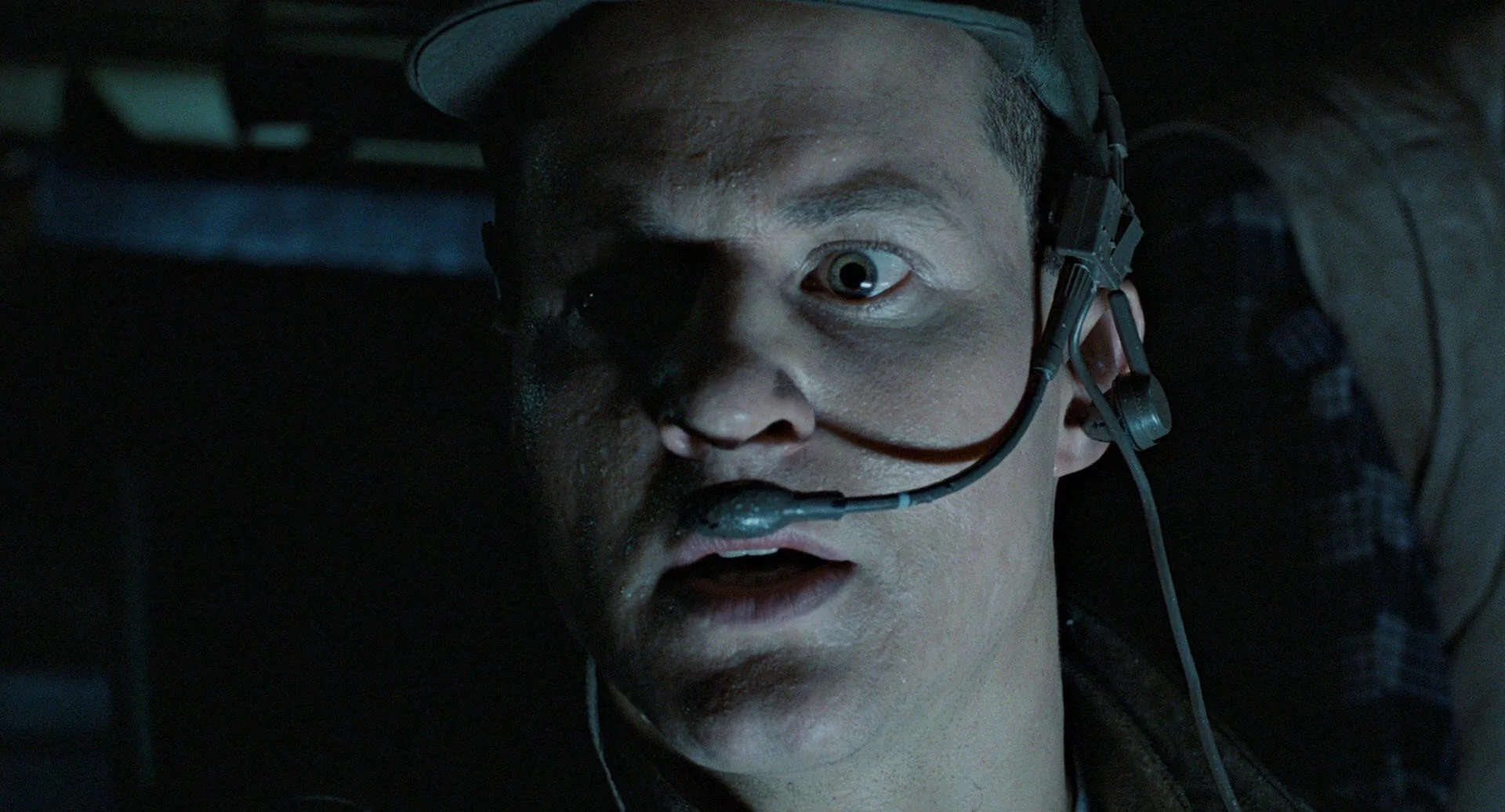
Who ends up saving the day? Ripley. She sees this panicked officer and decides to take matters into her own hands by driving the APC into the danger zone and extracting as many marines as she can. Was it the best thing to do? Maybe not (especially since she’s never driven an APC before), but she went with her gut and made a decision.
What you can learn from this scene is that more often than not, no action is the worst action. You can never 100% know which is the best path to take, but staying where you are is a guarantee that you will not progress and likely lose out to your competitors.
So be a leader, and make an executive decision. If you make a bad choice, own your mistake and don’t repeat it. Leaders are counted on to make decisions, especially when there is no clear-cut best choice.

And something else my ex-boss Kathryn taught me:
In the absence of any leadership, someone needs to step up.
We were in a planning process with representatives from other country teams, and it wasn’t going too well. Kathryn pulled me aside and told me that I know all this shit well, so I should speak up and keep the discussion on track. I protested, saying I was the newest guy on the team and that I felt pretty intimidated. So she said:
“If nobody else is taking charge and you have something to add, you take charge until someone else fights you for it. The project must go on.”
6. Your idea is not always the best idea
There’s a scene where the marines are discussing their plans after being decimated by their initial encounter with the aliens. Ripley (the "consultant" and protagonist of the franchise) suggests that they take off and nuke the site from orbit; it’s the only way to be sure.
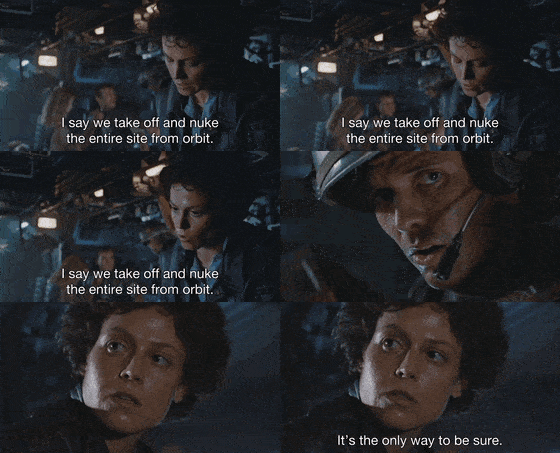
Bourke, the company suit, interjects to say that she isn’t in command, and then everyone realizes that the relatively low-ranking Cpl. Hicks is now in charge. So as his first command to the team, he declares, "I say we take off and nuke the site from orbit. It’s the only way to be sure."
A friend of mine who was recently placed in a leadership position confided his fear that he might one day run out of ideas, so I told him that being a leader isn't about coming up with the best ideas - it's about recognizing the best ideas and then championing them.
Your team will not look down on you for going with someone else's ideas. More likely, they will respect you for it.
7. Plan for contingencies
Towards the end of the movie, Ripley and the marines are preparing for an alien incursion by barricading themselves in a secure location. Pfc. Hudson has pulled up the construction plans for the complex that they’re holed up in, and Ripley and Cpl. Hicks are deciding which pressure doors to weld shut and where to place the automatic sentry guns.

What I like about this scene is that Ripley and Hicks don’t just have a single plan, but they also have backup plans in case the sentry guns fail or the aliens breach a barricade. They blocked off other spots and picked positions to retreat to in case they needed to make a last stand.
When you're planning something, it's always wise to have some contingency plans in place. Because something is bound to go wrong somewhere, like an asset didn't pull through, or some approval was delayed. Because, as the old adage goes, it's better to have something and not need it than to need something and not have it.
There you have it! 7 leadership lessons from Ripley, Hicks, and Apone. Now you're ready to face off some xenomorphs (or at least some snarky stakeholders).