Carousell New-User experience
What is it?
Carousell’s new-user tutorial sequence wanted first-timers to try selling an item, because the magic moment that keeps a user coming back is the moment they make their first sale.
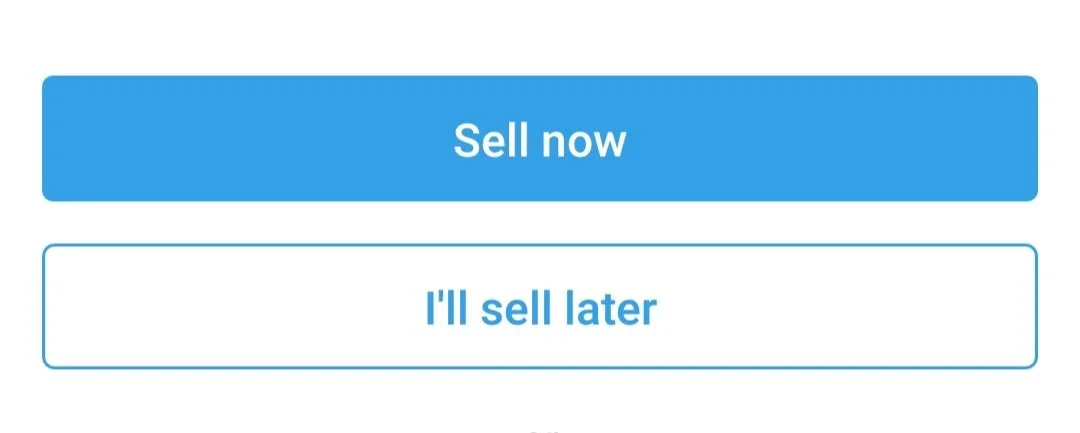
In case a user declines to go through the selling process when first prompted, the Product team wanted some copy to prompt for a reminder to try again later.
What I did
I wrote the copy, but also helped the team rethink the entire angle of approach for this action.
The original ask
The Product team originally approached me to help them write some copy for this reminder, framed as an alarm clock but less intrusive and demanding. The brief was to write a nicer version of:
“Would you like us to help you set a reminder to list at a later time?”
When I asked them why, they explained that it was to remind a new user to try selling an item.
My first thought was: “Nobody likes to set reminders – it’s too much like work and your alarm clock on a workday morning.”
So I spoke to the team and found out a bit more about their intent, and then we worked on a new way to frame this action.
Aladdin’s smile to the rescue
So reminders and alarm clocks are too much like work (and nobody likes to think about work), we worked out a concept that was more fun and exciting.
I likened the whole experience of having someone tap “I’ll sell later” to being rejected when you ask someone out on a date. Since we work in a tech company, all of us found that experience awkwardly relatable.
But being rejected now doesn’t mean you just run away and cry; you can make your invitation an open one.
You can say something like “Aww, you can’t do Saturday because you’re washing your hair? Well, I’d still like to take you out for a movie sometime as I think we’d both have a good time. So why don’t you let me know when is a good time to try again? It’ll be fun! Trust me!”
Then you hold out your hand and flash a toothy smile like Aladdin.

The Product team immediately got what I meant, and we rewrote that key line to something like this:
“That’s too bad. We’d still like to show you how easy it is to sell something, so let us know when you’ll be free.”
Then it’ll lead onto the notification setting screen as planned.
This angle helped rewrite that key line, but it also changed all the other copy in this tutorial sequence to support this relatable scenario. Functional prompts became a coordinated invitation to a whole new world.